
Search This Supplers Products:Veterinary EndoscopeEndoscopy Working StationEndoscope Optional ProductsEndoscope Accessories
Unlocking Precision: The Veterinary Flexible Otoscope's Role in Advancing Small Animal Care
time2024/08/16
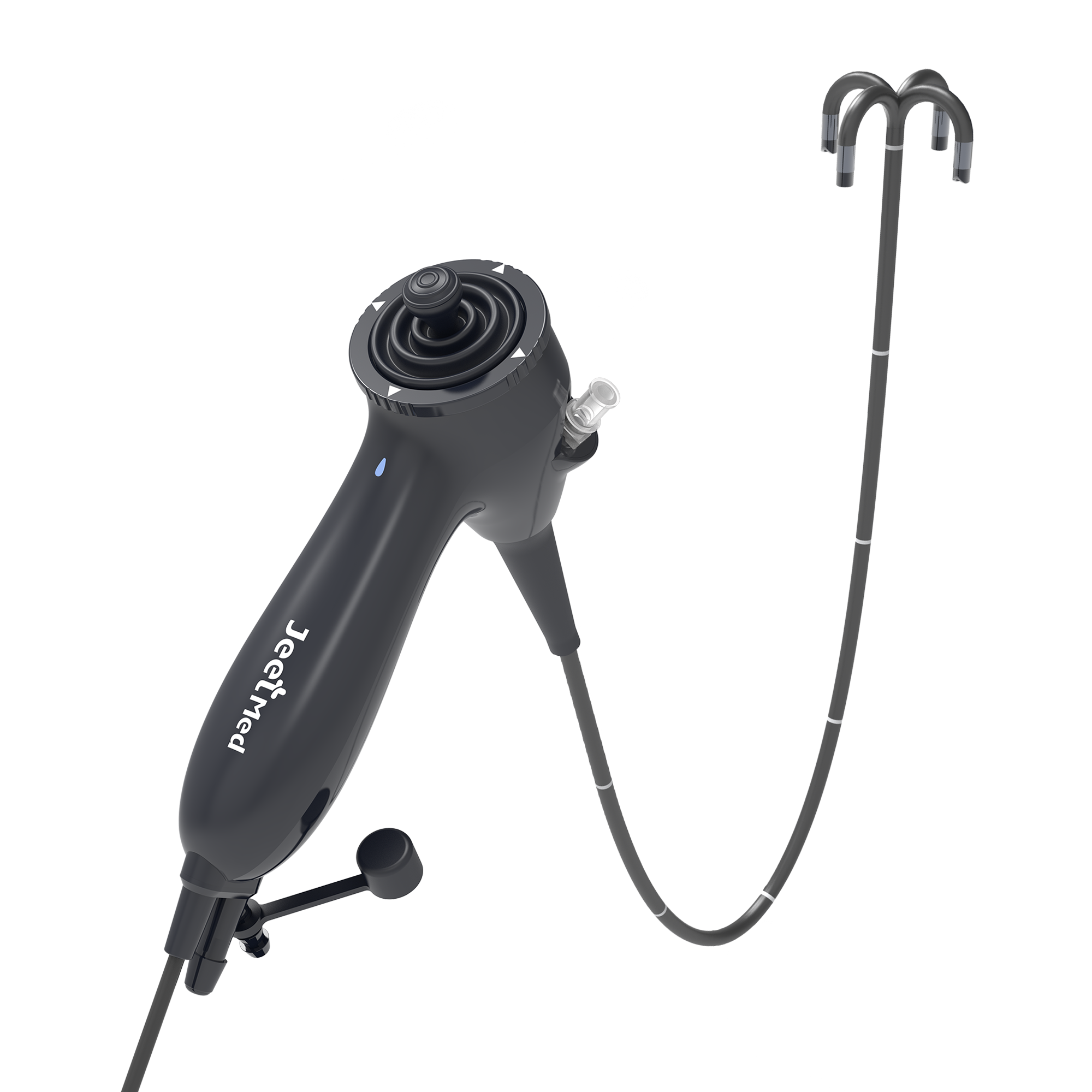
- The veterinary flexible otoscope is designed with the challenges of small animal care. The veterinary flexible otoscope is much more than just a diagnostic tool—it’s a gateway to better, more precise care for small animals.
In the ever-advancing world of veterinary medicine, precision is key. The ability to diagnose accurately and treat effectively hinges on the tools at a veterinarian’s disposal. Among these, the veterinary flexible otoscope stands out as a pivotal instrument that is transforming the way we approach small animal care. This blog will delve into the various ways this innovative tool is making a significant impact in veterinary practice, from its diverse applications to the enhanced patient care it facilitates.
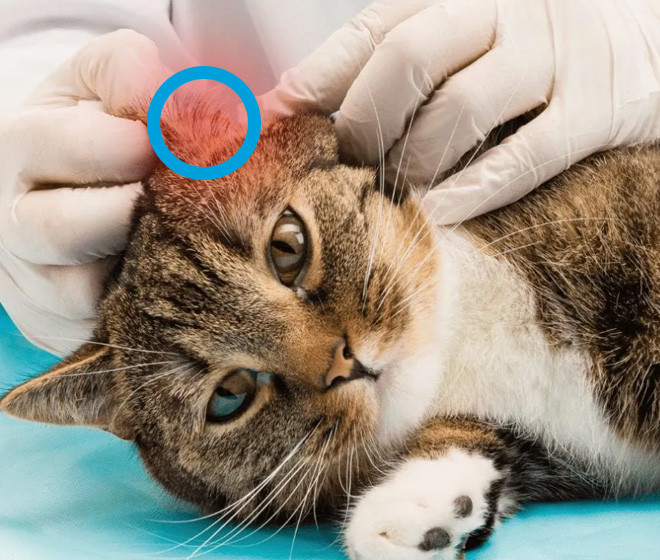
The Role of the Flexible Otoscope in Modern Veterinary Practice
The veterinary flexible otoscope is designed with the challenges of small animal care. Unlike its rigid counterpart, the flexible otoscope offers greater maneuverability, allowing veterinarians to navigate the intricate and often narrow passages of small animals with ease. This flexibility is not just a convenience—it’s a necessity when dealing with patients that range from curious kittens to delicate exotic birds.
Key Applications: Precision in Every Scenario
Ear problems are common in small animals, particularly in dogs and cats. Conditions like otitis externa, ear mites, and foreign bodies can cause significant discomfort and even lead to more serious health issues if left untreated. The flexible otoscope allows veterinarians to examine the entire ear canal with precision, identifying problems that might be missed with a traditional rigid scope. Its ability to flex and adjust to the unique anatomy of each patient means a more accurate diagnosis and, consequently, more effective treatment.
Nasopharyngeal and Throat Inspections
Respiratory issues in small animals can be tricky to diagnose, especially when the cause is hidden deep within the nasal passages or throat. The flexible otoscope excels in these scenarios, offering a clear view of areas that are otherwise difficult to access. Whether it’s a foreign body lodged in a cat’s nasal passage or inflammation in a rabbit’s throat, the flexible otoscope provides the detailed visualization needed to make an accurate diagnosis.

Managing Foreign Bodies Safely
Small animals are notorious for getting objects stuck in places they shouldn’t, especially in their ears, nose, or throat. The flexible otoscope not only helps in identifying these foreign bodies but can also be equipped with retrieval tools to assist in their removal. This minimizes the need for more invasive procedures, reducing both the risk and the recovery time for the patient.
Caring for Exotic Pets
The care of exotic pets presents unique challenges, particularly when it comes to examination. Birds, reptiles, and small mammals often have tiny, sensitive orifices that require a delicate touch and specialized equipment. The flexible otoscope is ideally suited for these cases, allowing veterinarians to conduct thorough examinations without causing undue stress or discomfort to these fragile patients.
The Process: Maximizing the Benefits of the Flexible Otoscope
Preparation is Key
Before using the flexible otoscope, ensure that it is properly sterilized and in good working order. Select the appropriate attachment for the examination at hand, whether it’s a small speculum for a bird’s ear or a longer one for a dog’s nasal passage. If necessary, administer sedation to keep the animal calm and still during the procedure.
Conducting the Examination
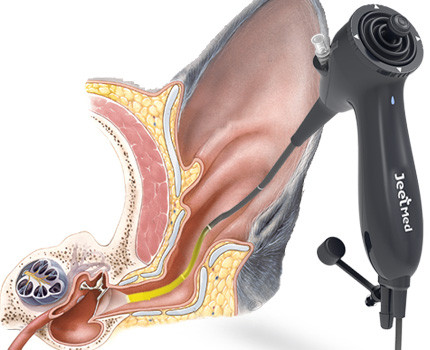
During the examination, gently guide the otoscope into the ear, nose, or throat. Use the device’s flexibility to navigate the patient’s unique anatomy, ensuring that you can visualize all areas of concern. The otoscope’s built-in light and magnification provide a clear view, allowing you to detect even the smallest abnormalities.
Documenting Findings and Next Steps
After the examination, document your findings thoroughly. Many flexible otoscopes come with the capability to record images or videos, which can be invaluable for tracking the progression of a condition or explaining it to the pet owner. Based on your observations, you can then formulate a treatment plan that addresses the underlying issue effectively.
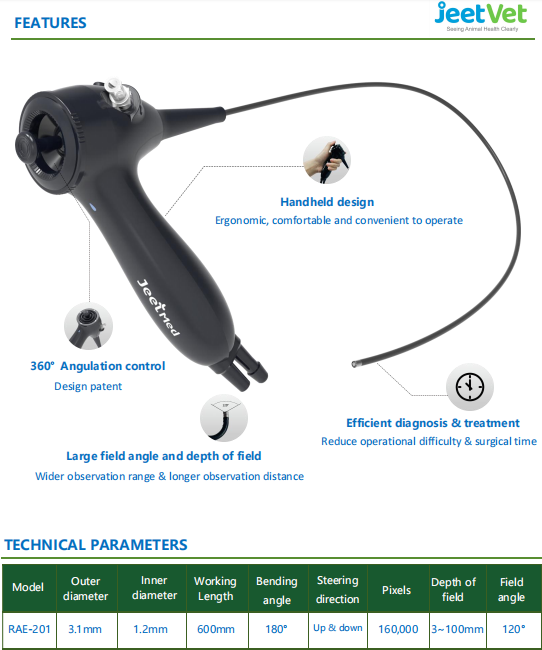
Considerations for Optimal Use
Patient Comfort and Safety
While the flexible otoscope is designed to be less invasive, patient comfort should remain a top priority. Handle the instrument with care, and be mindful of the animal’s responses during the examination. If the animal appears to be in pain or distress, pause and reassess your approach.
Maintaining Hygiene Standards
Proper sterilization of the flexible otoscope before and after each use is essential to prevent cross-contamination between patients. Regular maintenance of the device also ensures that it remains in optimal working condition, providing clear images and smooth operation.
Ongoing Training and Proficiency
Effective use of the flexible otoscope requires skill and practice. Veterinarians should undergo regular training to stay proficient in its use. With experience, you’ll become more adept at utilizing this tool to its full potential, leading to more accurate diagnoses and better patient outcomes.
A Tool That Enhances Care
The veterinary flexible otoscope is much more than just a diagnostic tool—it’s a gateway to better, more precise care for small animals. By allowing veterinarians to see what was previously hidden and reach areas that were once inaccessible, this instrument is transforming the landscape of veterinary medicine.
For veterinarians looking to elevate their practice and provide the highest standard of care, the flexible otoscope is an indispensable asset. With its precision, versatility, and ability to enhance patient comfort, it’s clear that this tool is unlocking new possibilities in small animal care, one examination at a time.