
Search This Supplers Products:Veterinary EndoscopeEndoscopy Working StationEndoscope Optional ProductsEndoscope Accessories
The Application of Veterinary Endoscopes
time2024/07/04
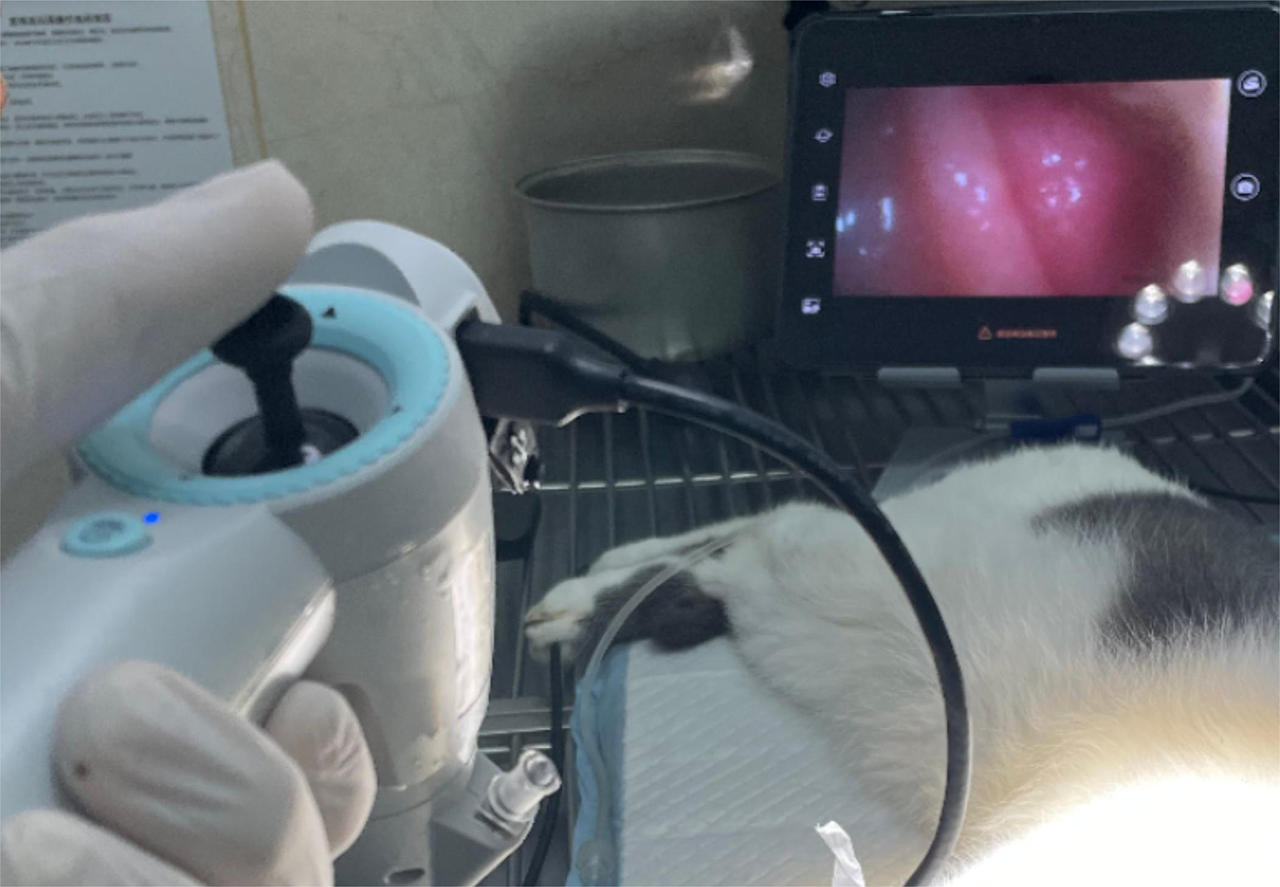
- The application of veterinary endoscopes in the veterinary field provides a safer, more efficient and more accurate means for the treatment and rehabilitation of animals.
A veterinary endoscope is a medical device used to examine the internal organs of animals. It uses optical technology and image sensors to enter the animal's body through the body's natural orifices without opening the abdomen to observe and record the condition of the organs, reducing trauma and surgical risks to the animal.
Veterinary endoscopes are widely used in the veterinary field. For example, veterinary endoscopes can be used to examine and treat gastrointestinal diseases in animals, such as vomiting, salivation, dysphagia, nausea, weight loss, anorexia, diarrhea and other symptoms. In addition, endoscopes can also be used to examine and treat respiratory diseases, such as dyspnea, cough, asthma, etc.
Specifically, veterinary endoscopes can be used in the following general aspects:
1. Veterinary gastroscope: It can not only show whether there are foreign bodies in the stomach, but also reveal whether there are suspicious or abnormal areas in the stomach, intestines, colon or respiratory tract.
2. Veterinary otoscope: Taking advantage of the accessibility of the external ear, the veterinary otoscope can conveniently examine the external ear diseases of animals, such as external ear diseases of cats and dogs.
3. Veterinary rhinoscope: rhinoscope can be used to diagnose various diseases of dogs and cats, such as runny nose, nosebleed, chronic sneezing, suspected foreign bodies and obvious pathological changes visible in X-ray.
4. Routine examination: Endoscopy can be used to perform various routine examinations, such as examining the animal's trachea and esophageal foreign bodies, or using the endoscope to evaluate the animal's sensitivity to food.
5. Pathological examination: Use endoscopic instruments to remove mucosal biopsies, use staining and microscopic examination for examination, remove benign tumors under the microscope, and remove stones and gravel under the microscope.
In short, the application of veterinary endoscopes in the veterinary field provides a safer, more efficient and more accurate means for the treatment and rehabilitation of animals.